Gutter Guard Maintenance: A Step-by-Step Guide for Boca Raton Homeowners
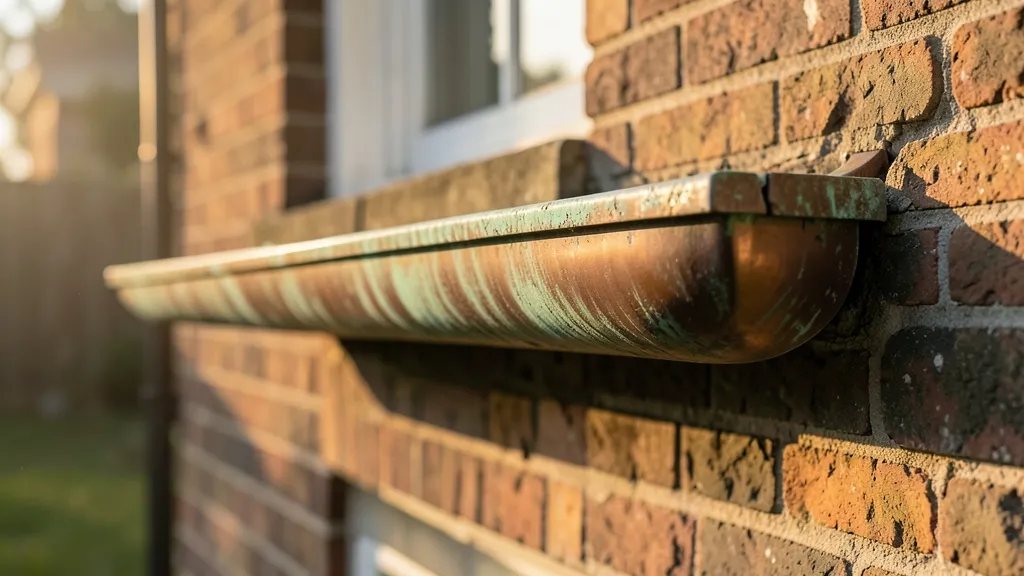
Gutter guards are a game-changer for Boca Raton homes, slashing cleaning time and protecting against clogs from palm fronds and pine needles. But they’re not maintenance-free. Our team sees firsthand how neglected guards lead to hidden damage—water overflow, fascia rot, even roof leaks. Regular upkeep keeps them performing like new.
Why Gutter Guard Maintenance Matters in South Florida
Boca Raton’s humid subtropical climate means year-round debris—palm seeds, oak leaves, and pine needles—plus heavy summer rains and hurricane season threats. Guards prevent most clogs, but fine organic matter still accumulates on top, creating a mat that traps moisture and breeds algae.
Without maintenance, that trapped moisture speeds up rust on metal guards or warps plastic and foam inserts. Meanwhile, overlooked small gaps or shifts in the guard system let debris slip underneath, defeating the purpose entirely.
Proper upkeep also preserves your gutter system’s slope and alignment. Even in Highland Beach or Delray Beach, where salt air accelerates corrosion, routine checks catch early signs of wear before they escalate into costly repairs.
A single loose fastener or minor gap can let debris bypass the guard, leading to downspout clogs and water damage. Inspect every connection point.
Types of Gutter Guards and Their Maintenance Needs
Not all guards are created equal. Micromesh screens excel at blocking fine debris but require gentle cleaning to avoid damaging the mesh. Reverse-curve guards, like leaf relief systems, shed most debris but need periodic checks for buildup at the curve’s edge.
Foam inserts are lightweight and easy to install but degrade faster under UV exposure and constant moisture. Screen guards, often made of aluminum or vinyl, are durable but can sag if debris isn’t cleared regularly.
Each type has its quirks, but all share one rule: the better they’re maintained, the longer they’ll protect your gutters from clogs and overflow.
| Guard Type | Best For | Maintenance Frequency | Key Watch-Outs |
|---|---|---|---|
| Micromesh | Fine debris (pine needles, seeds) | Every 6-12 months | Avoid pressure washers; use soft brush |
| Reverse Curve | Heavy leaf fall | Every 6-12 months | Check for debris at curve; ensure proper slope |
| Foam Inserts | Light debris, easy DIY | Every 3-6 months | Replace every 2-3 years; UV degradation |
| Screen Guards | General debris, durability | Every 6-12 months | Prevent sagging; tighten fasteners |
Signs Your Gutter Guards Need Attention
Visible sagging or gaps between the guard and gutter are red flags. These often stem from debris weight or improper installation. Even a small gap lets in leaves and seeds, which quickly clog downspouts.
Water spilling over the gutters during rain is another sign. This could mean the guards are clogged or the gutters themselves are misaligned. In Boca Raton, where afternoon thunderstorms are common, this can lead to rapid water damage.
Rust spots, discoloration, or algae growth on the guards indicate moisture retention. This is especially common in shaded areas or homes near dense foliage in neighborhoods like Boynton Beach or Deerfield Beach.
Quick Visual Inspection Checklist
- Check for sagging or detached sections
- Look for gaps between guard and gutter
- Inspect for rust, corrosion, or warping
- Note any overflow during or after rain
- Verify downspouts are clear and draining freely
Seasonal Maintenance: A Boca Raton Timeline
Spring brings pollen and seed pods, which can cling to guards and create a sticky mess. A thorough cleaning in late spring removes this buildup before the summer rains hit.
Summer’s frequent storms mean guards should be inspected mid-season. Heavy rain can dislodge debris or reveal weak points in the system. It’s also the time to check for hurricane readiness.
Fall is critical for homes with oak or pine trees. Falling leaves and needles accumulate quickly, and a pre-winter cleaning prevents ice dams—rare but possible in colder snaps. Winter is the ideal time for a full inspection and any needed repairs.
Tools and Safety Gear for DIY Maintenance
A sturdy extension ladder, rated for your home’s height, is non-negotiable. For two-story homes in areas like Coconut Creek, consider a ladder stabilizer to avoid damaging gutters or siding.
Gloves, safety goggles, and non-slip shoes protect against sharp debris and slick surfaces. A garden trowel or gutter scoop helps remove caked-on organic matter without scratching the guards.
For micromesh or screen guards, a soft-bristle brush or a leaf blower on a low setting clears fine debris. Avoid pressure washers—they can dent guards or force water under the roof’s edge, causing leaks.
Use a bucket with a hook to hang tools and collected debris. This keeps your hands free and prevents clutter on the roof or ground.
When to Call a Professional
If your home has steep roof pitches or multiple stories, DIY maintenance can be risky. Our team uses specialized equipment and safety harnesses to handle these challenges efficiently.
Persistent clogs, despite regular cleaning, may indicate a deeper issue—like improper gutter slope or damaged hangers. A professional roof and gutter inspection can diagnose and fix these problems before they worsen.
For commercial properties or large estates in Highland Beach, professional maintenance ensures consistency and thoroughness, especially when dealing with expansive roof lines and complex gutter systems.
Extending the Life of Your Gutter Guards
Resealing seams and fasteners annually prevents water from seeping underneath guards, which can cause rust or wood rot. Use a high-quality, UV-resistant sealant for longevity.
Ensure your gutters have the correct slope—about a 1/4-inch drop per 10 feet—to facilitate proper drainage. Guards can’t compensate for poorly pitched gutters.
Trim overhanging branches to reduce debris load. This simple step cuts maintenance frequency in half and protects both your guards and gutters from unnecessary wear.
How to Clean Gutter Guards Safely and Effectively
Regular cleaning keeps your guards functioning and your gutters flowing freely.
- 1Safety First
Set up your ladder on stable, level ground. Wear gloves and goggles to protect against debris and sharp edges. Have a spotter if working near power lines or on uneven terrain.
- 2Remove Large Debris
Use a gutter scoop or trowel to lift off leaves, twigs, and seed pods. Work from the downspout outward to avoid pushing debris into the downspout.
- 3Clear Fine Debris
For micromesh or screen guards, use a soft brush or leaf blower on a low setting to remove fine particles. Avoid scraping, which can damage the mesh or screen.
- 4Flush the System
Use a garden hose with a spray nozzle to rinse the guards and gutters. Start at the far end and work toward the downspout to ensure proper flow.
- 5Inspect and Repair
Check for loose fasteners, gaps, or damage. Tighten screws, reseal seams, or replace damaged sections as needed. Ensure downspouts are clear and draining away from the foundation.
Frequently Asked Questions
How often should I clean my gutter guards in Boca Raton?
Most homes need gutter guard cleaning every 6 to 12 months. However, if you have overhanging trees or live in a heavily wooded area like parts of Delray Beach, you may need to clean them every 3 to 6 months. Request a quote for a tailored schedule.
Can I pressure wash my gutter guards?
We don’t recommend it. Pressure washers can damage micromesh or screen guards, force water under roof edges, or dislodge fasteners. Stick to a garden hose with a spray nozzle for safe, effective cleaning.
What’s a good way to prevent algae and mildew on my guards?
Regular cleaning removes organic matter that feeds algae. Ensuring proper gutter slope and airflow also helps. For stubborn growth, a mild bleach solution (1 part bleach to 10 parts water) can be applied, followed by a thorough rinse.
Do gutter guards eliminate the need for gutter cleaning entirely?
No. Guards reduce the frequency of cleaning, but fine debris, pollen, and seed pods can still accumulate. Periodic maintenance is essential to keep the system working. Downspout cleaning and repair may also be needed over time.
Are gutter guards worth it for Boca Raton’s climate?
Absolutely. They significantly reduce clogs from palm fronds, pine needles, and other local debris, lowering maintenance demands. Guards also help prevent water damage to fascia, soffits, and foundations during heavy rains.
What should I do if my gutter guards are rusting?
Rust usually signals prolonged moisture exposure or poor material quality. Remove the rust with a wire brush, apply a rust converter, and reseal with a waterproof sealant. If the damage is extensive, replacement may be necessary—especially for older or low-quality guards.